Robotic parcel handling, intelligent automation and driverless forklifts were among the technologies on display at CeMAT ASIA 2026, highlighting the growing role of robotics and artificial intelligence in logistics.
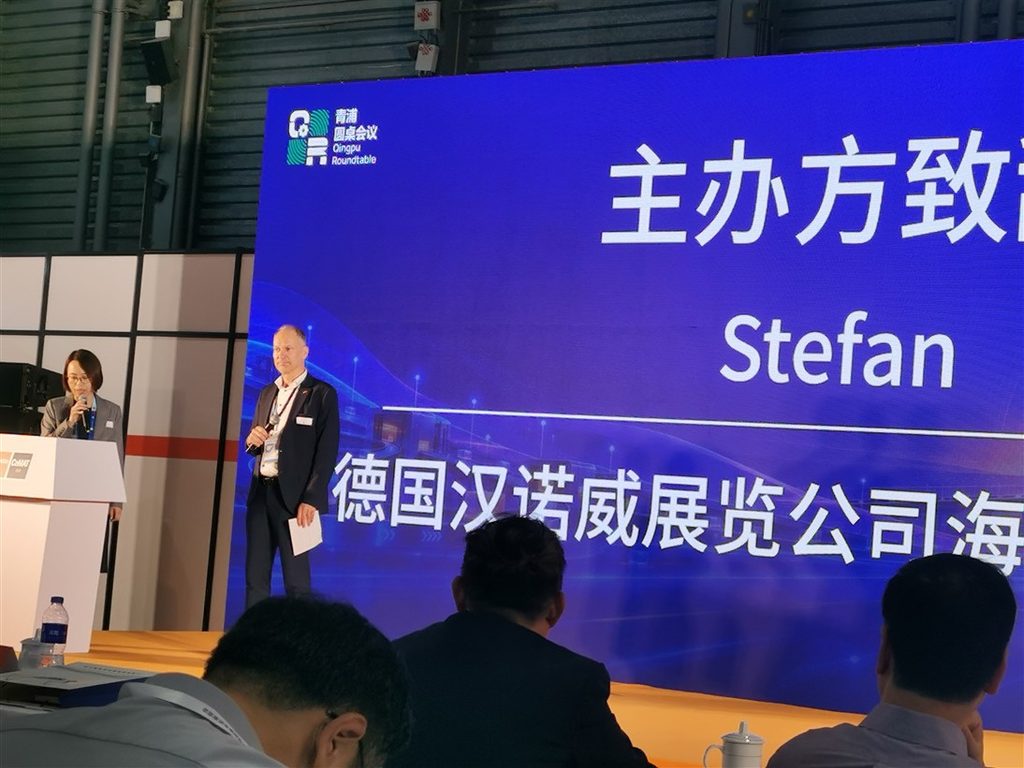
We recently visited CeMAT ASIA 2026, the biennial international exhibition for materials handling, automation technology, transport systems and logistics. Walking the show floor, one trend was clear: robotics and AI are becoming increasingly visible across logistics operations.
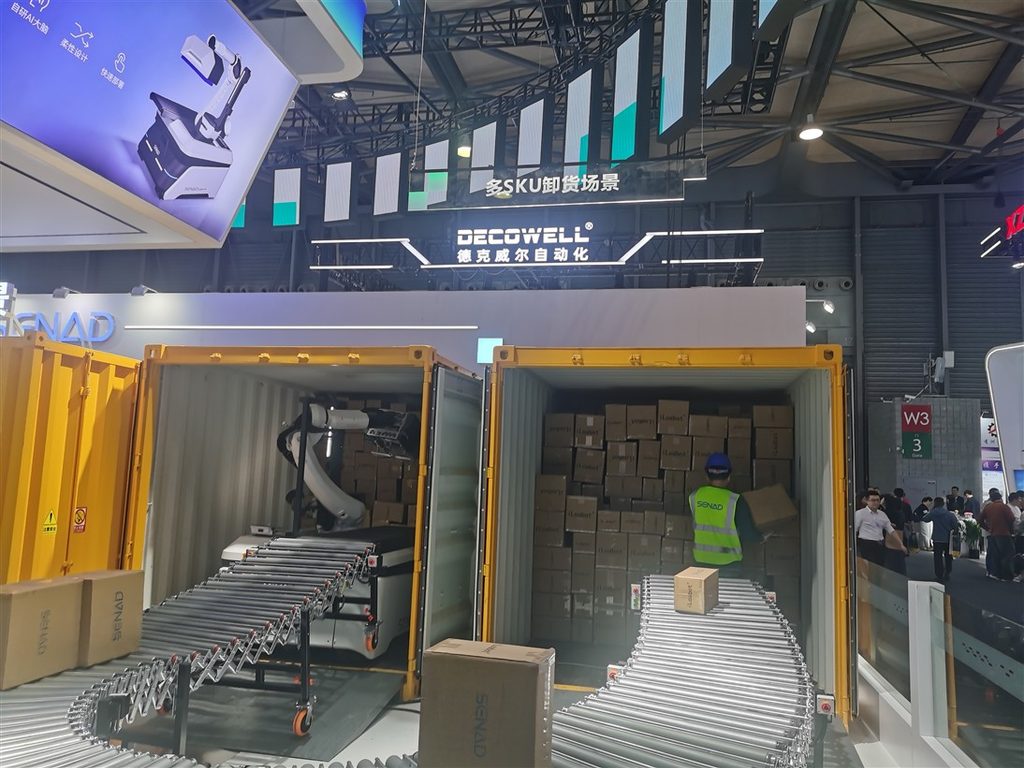
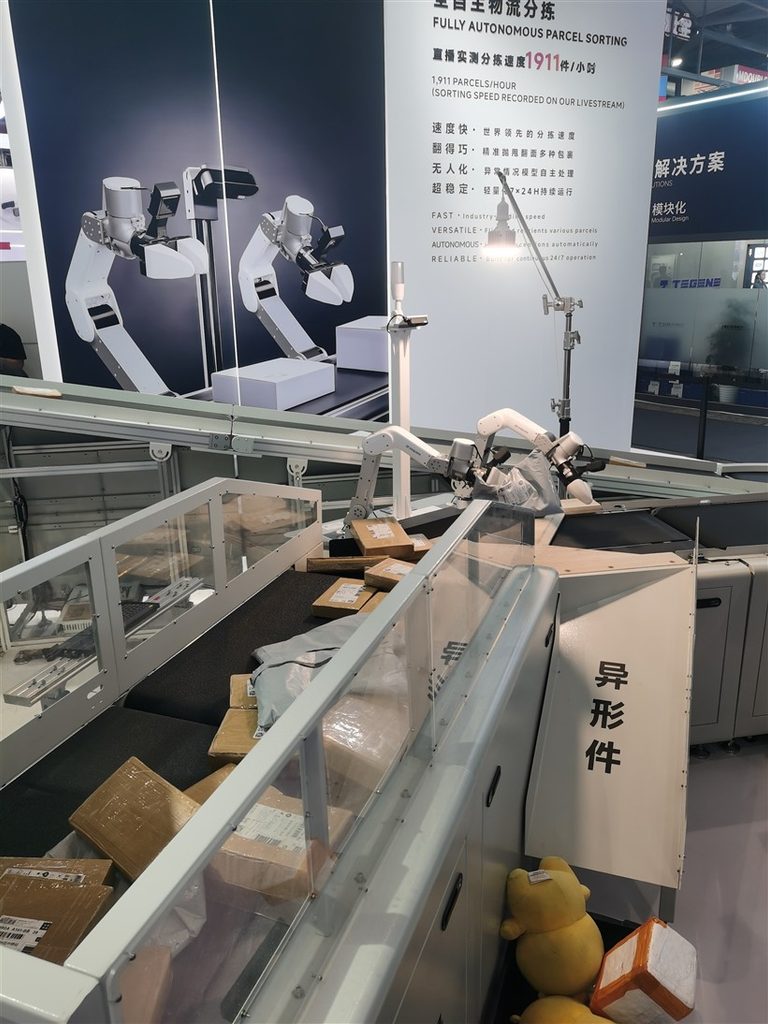
From robotic arms that separate individual parcels to driverless forklifts moving materials, automation is being applied to more tasks throughout the supply chain. These technologies are helping logistics businesses explore ways to improve parcel handling, material movement and operational efficiency.
Robotics for parcel handling
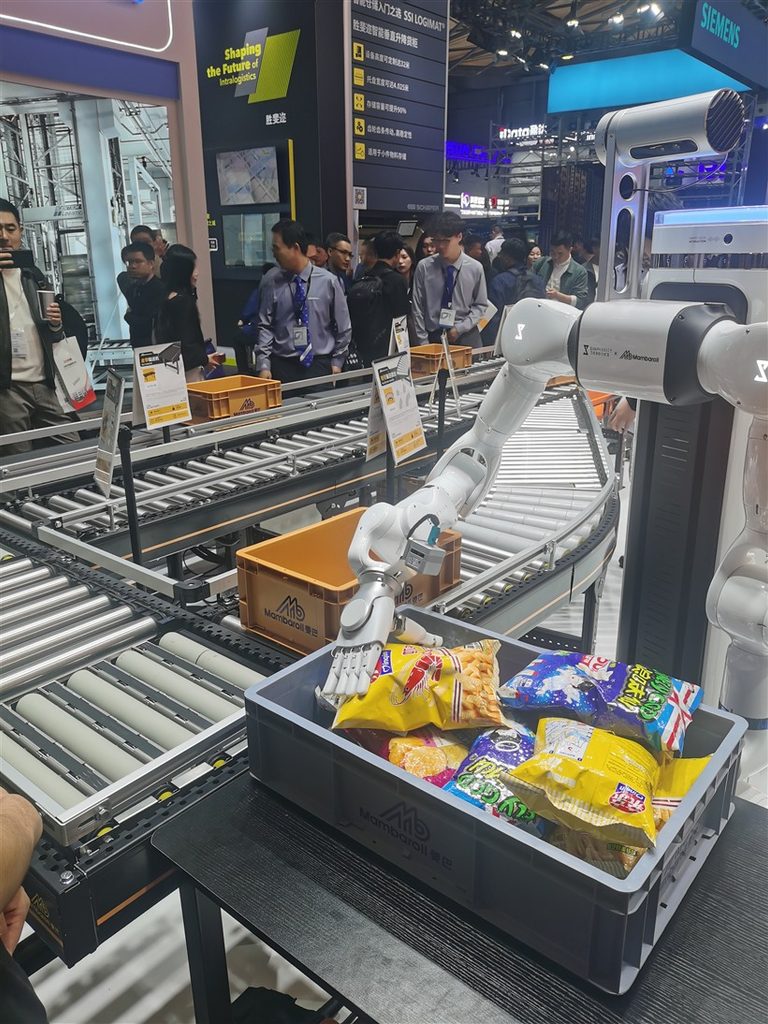
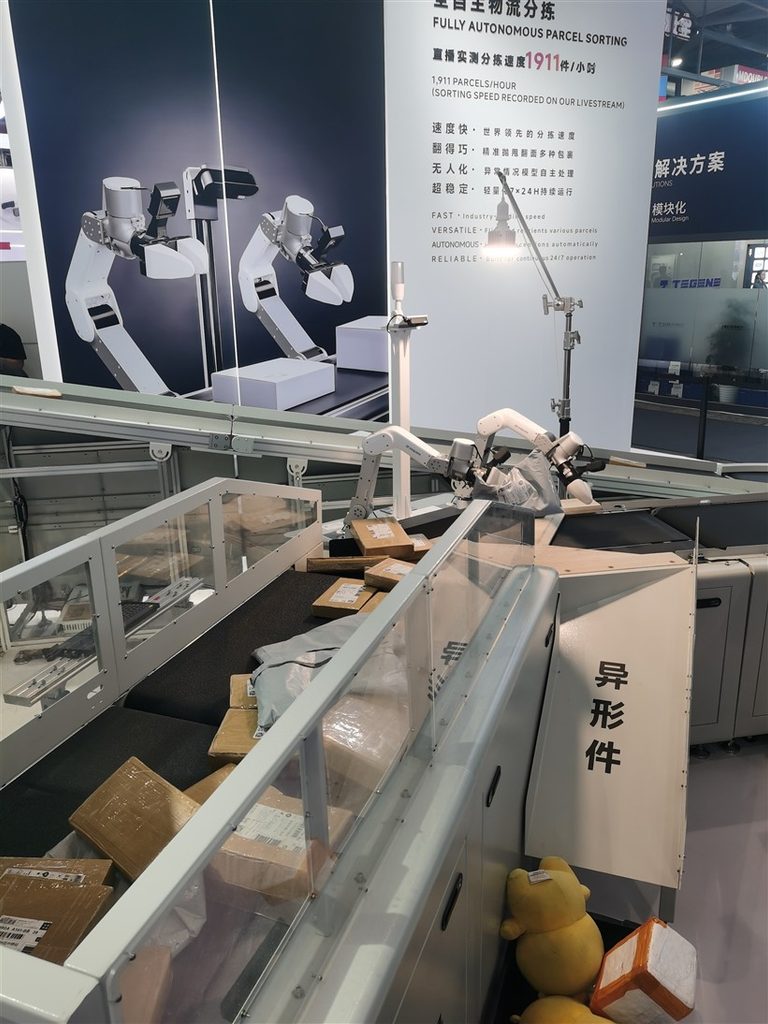
Parcel sorting and handling were prominent themes at the exhibition. Robotic arms demonstrated how individual parcels can be identified and separated as part of automated workflows. This type of automation can support faster, more consistent handling in logistics environments where facilities process a wide variety of packages.
Driverless forklifts and automated material movement
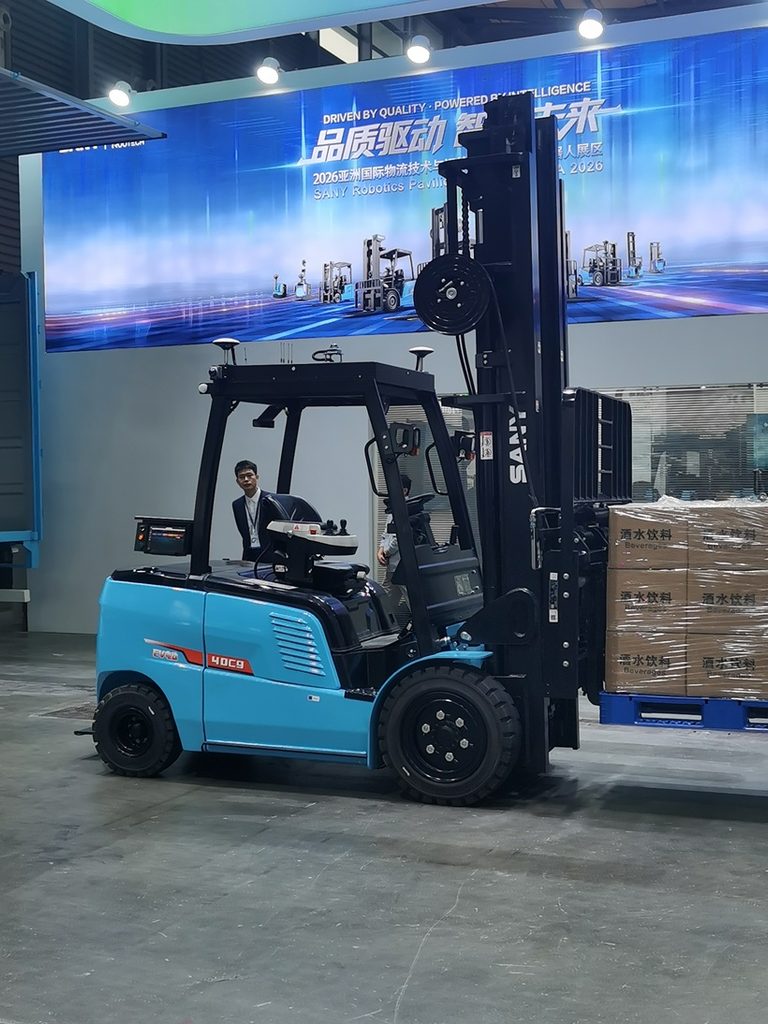
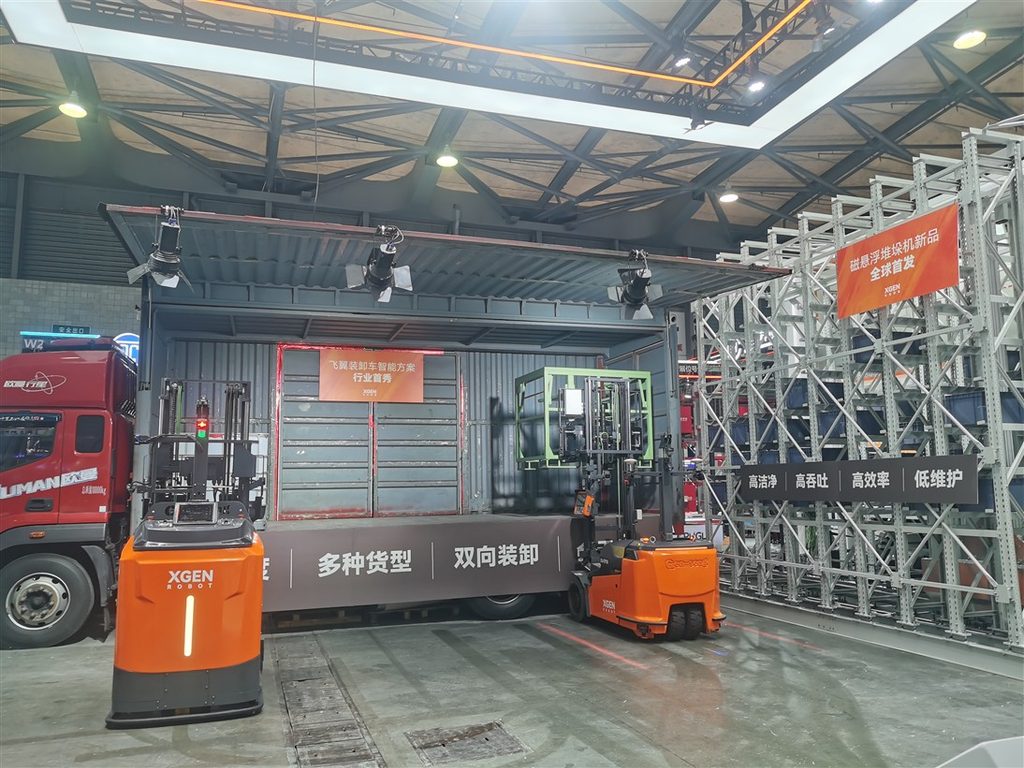
Driverless forklifts were another notable sight. By moving materials without an onboard operator, these vehicles can be integrated into automated workflows for transporting goods within warehouses and other logistics facilities.
A more automated logistics landscape
The exhibits at CeMAT ASIA 2026 reflected a broader shift toward combining robotics, AI and material handling systems. As these technologies become more widely used, logistics companies have more options for automating tasks ranging from parcel handling to internal transport.
Our visit offered a useful snapshot of how the industry is evolving—and how intelligent automation is becoming an increasingly important part of modern logistics.
